31 Depression-Era Frugal Home Tricks We Should Bring Back
During the Great Depression, the generation that operated households at that time referred to their cost-saving measures simply as 'running a house.' It's a testament to the timelessness of these household tricks that spending limitations are once again in vogue, and old-time money-saving tricks are being reused.
Let me be honest. My sister-in-law taught me that you can pinch pennies in some areas so that you can spend in others. That is the exact mindset of every single trick on this list, and my great-grandmother's generation wrote the book on it.
1. Save every jar and its lid
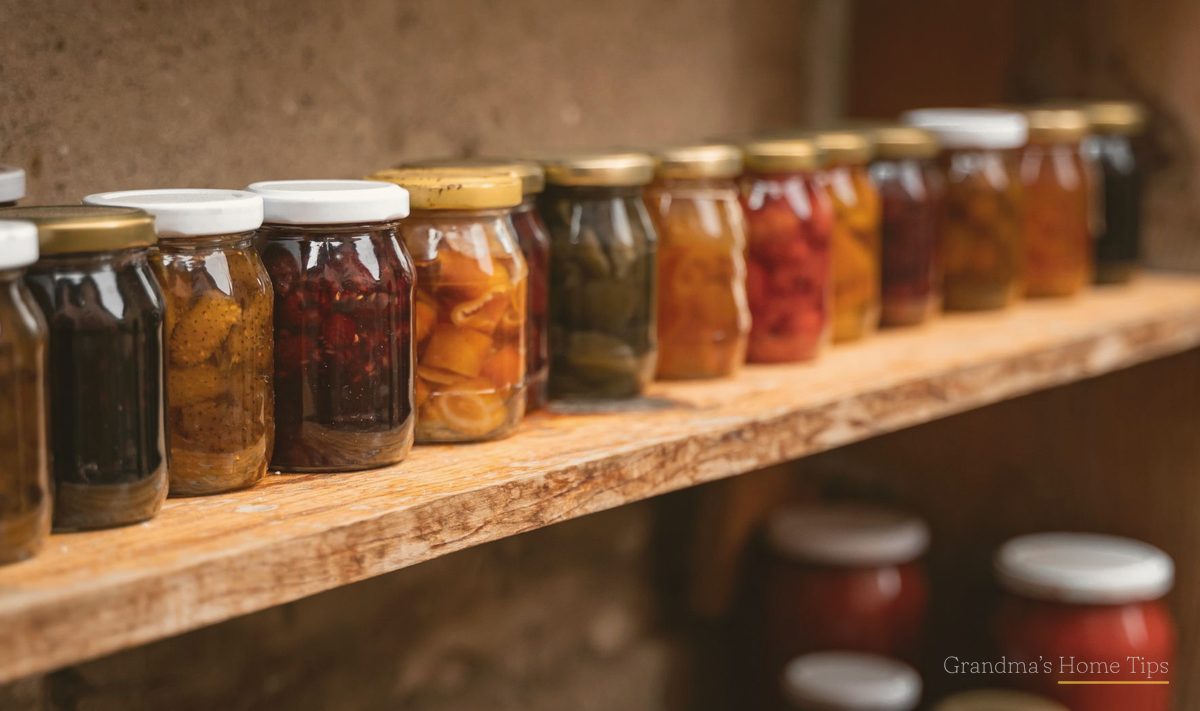
You could feel the sense of accomplishment and pride when the drawer could fit multiple glass jars of the same size and style. Everyone remembers drw drawers filled with jars from various sources. It could be anything like jars from leftover food, or buttons, screws, or even a jar filled with grease. It was a common pantry starter.
The top shelf of my pantry is filled with jars. The teenagers use them as drinks and call it branded merch. Which, I guess, it sort of is.
2. Keep a rag bag
When retired clothes were cut into rags, it created a free, endless supply of cleaning cloths a century before paper towels attempted to take their place.
The rag bag in our laundry room is entirely filled with my husband's concert t-shirts. He refers to it as the sock graveyard. It's load-bearing.
3. Render and reuse cooking fat
Bacon grease strained into a jar by the stove seasoned beans, fried eggs, greased pans and other costless, delicious flavor that never went down the drain to clog it.
The small grease jar next to the stove gets used every week. It’s the cheapest way to add flavor in the kitchen, and it’s a plumber-avoidance program, all in one jar.
4. Mend before replacing
Clothes stayed in the family for years due to a button box and some rudimentary mending skills. Hems were re-stitched, buttons were swapped, and elbows were patched before anything was considered for replacement.
Using a video, I learned how to sew a button and used my great-grandma's actual button tin for the thread. The process took about twenty minutes, but the shirt survived the trend that almost killed it.
5. Stretch soap to the last sliver
Soap slivers were put into mesh bags to suds out their final act, or were pressed into the new bar. Nothing with cleaning power left the house un-used.
The thin bag by the sink in the garage is better than half the things that I've ever owned, and it costs one unit. Can't argue with the numbers.
6. Cook once, plan twice
We plan meals so nothing gets wasted. We turn Sunday's roast into Monday's hash and Tuesday's soup.
For me, rotisserie chicken marks the beginning of the chain: dinner, then wraps, then a broth that makes the whole house smell like a grandma lives here. Three meals, one bird.
7. Keep a butter dish and a bread box on the counter
The butter kept in its crock and the bread in its box were free from wasteful rock-hard sticks and sweating plastic bag storage.
I have a butter crock and get made fun of for it, but being able to have spreadable butter every single morning is a battle I will fight to the end for.
8. Water down the last of everything
A little bit of water and a shake gives you a little more time with your 'empty' containers of dish soap, shampoo, and ketchup.
This might be thrifty or compulsive, but the dish soap bottle in my kitchen has been 'empty' for over a month and counting.
9. Line-dry whenever weather allows
The clothing line was an opportunity to save money on heating and on drying. Instead of using the dryer, which we would save for February and emergency, we would use the sun for whites and a breeze for the rest.
The taste of sun-stiff towels is acquired, but sheets dried outside remain the best option. Iowa offers perhaps five ideal drying days each spring, and I collect them.
10. Grow the easy things — or buy like you did
A Kitchen garden had herbs and tomatoes; all other items were purchased in-season and in bulk when they were less expensive. Eating with the calendar was the entire grocery strategy.
I don't garden — that's somewhere on my to-do list between 'get organized' and 'learn to sew properly' — but I do know the farmers market herb guy by name, so that's something.
11. Preserve the surplus
During cheap peach season, you preserved them. Your seasonal bounty was now a winter pantry thanks to the deep freeze and the pressure canner.
My pressure canner gets used a few times every summer when I make my salsa and jam. Afterward, I get to feel like a pioneer when I line up all the jars on the shelf.
12. Keep the heat where you are
In Depression-era houses, only one room was heated at a time, so doors would be closed, cold sweaters would be worn, and blankets were placed on every chair.
Every seat in our living room is accompanied by a blanket, and the thermostat is set lower to accommodate it. The blanket basket is decor with a purpose.
13. Draft-proof with what you have
Winter insulation, folded towels against door drafts, windows closed for winter, and curtains closed at dusk.
Every January in Iowa, the whole family appreciates the draft snake, the rolled towel by the back door.
14. Use the oven’s whole heat
If the oven was used for the roast then the potatoes and baking for tomorrow went in too — and the door opened after, to warm the kitchen on the way out.
Oven-is-on is now an at-home experience: dinner on one rack, a sheet pan side on the other, and granola later riding the leftover heat down.
15. One good tool over three cheap ones
Cast iron pans, sturdy brooms, good scissors, etc. are all examples of frugality at its finest. Buying cheap tools is more expensive in the long run since they'll need replacing multiple times.
At parties, I'm super fun, and my kitchen shears are one of my favorite stories to share!
16. Trade skills and surplus with neighbors
Someone's jam traded for someone's mend, and over the fence extras tomatoes turned to sweet corn. The original marketplace was the neighborhood.
Every August, our cul-de-sac participates in a friendly 'zucchini-for-just-about-anything' exchange. I doubt anyone would ever pay for a summer squash.
17. Keep a running pantry inventory
Depression pantries were closely stocked and tracked — you shopped your shelves before going to the store, and nothing expired in the back.
Having a whiteboard list for the pantry has ended the time when I bought mustard for the fourth time because the other three were hidden. Now the mustards have amnesty.
18. Make gifts from the kitchen
A jar of jam, a tin of cookies, a loaf of quick bread – presents derived from the oven, cost next to nothing, and somehow were superior to anything purchased.
My holiday jam jars that have gingham lids are now on a waiting list. Total cost per gift: about $2 and one Sunday afternoon.
19. Repair the house on Saturday mornings
The loose knob, running toilet, and squeaky hinge are small repairs that happened before costly ones grew.
We have adopted the 'fix one thing rule' for Saturday mornings. And the house has never looked better! Plus it's only one thing. One a week. That's the whole trick.
20. Buy the whole chicken
The whole bird was cheaper per pound than individual parts, and it worked for dinner, sandwiches, and then the carcass went into the stockpot with the vegetable scraps you'd been saving.
The freezer scrap bag for stock is a Depression-era habit that feels clever every time you throw in an onion end instead of throwing it away.
21. Water plants with rescued water
I watered the garden and houseplants with the water from the unsalted pasta, the water from boiling eggs, and the cold water that runs before the shower warms up.
We have a pitcher by the shower for warm-up water now. Our houseplants look amazing, and the water bill has noticed.
22. Reuse before recycling was a word
Before leaving the house, the flour sacks were used as towels and dresses, the tins were turned into canisters, and the boxes turned into drawer dividers. Everything found a second use.
The drawer dividers I've made are CEREAL BOXES covered in shelf paper and they work just as well as dividers that cost $12 a piece!
23. Keep the good things for using, not saving
It might seem odd to say this, but using the nice tablecloth, towels, and dishes makes sense. The point of owning these things was to enjoy them, and that includes using them until they wear out.
We sometimes eat our Tuesday tacos off the wedding china. The manual for every generation states: nothing you love should die in a cabinet, unused and waiting — and this is the one most people get wrong.
24. A place for everything, honestly
The ultimate storage trick was not having storage furniture, but rather the owning so little that everything could fit. Having fewer, better things, each with a home.
All the stuff organizing products I have purchased in the past was aimed at solving a problem of having too much stuff. The depression generation simply did not have that problem. Got it.
25. Track every dollar in a ledger
Honesty was applied and practiced at the kitchen table as the family documented money coming in and going out as it was managed in the household ledger.
Mine is a spreadsheet with my sister-in-law's rules: pinch where it doesn't matter so you can spend where it does. Bougie on purpose, frugal by design.
26. Waste nothing, want less
The overall defining habit was: leftovers were lunch, scraps were stock, something worn became a rag, and 'use it up, wear it out, make it do' wasn't a slogan, it was Tuesday.
I have those nine words on a card above my desk. Four of the items on this list are just that sentence, in different aprons.
27. Rest as part of the routine
Even the harshest housekeeping books scheduled breaks, whether by Sunday afternoons, porch-sitting hour, mending basket by the radio, etc. Part of running a home economically was not running yourself into the ground.
The basket for repairs next to the TV is my version: buttons and hems while watching an episode. Profuctive rest is still rest. The manuals were also right about that.
28. Teach the skills forward
Each of these tricks survived because someone taught it to someone else — at the stove, over mending, in the garden row. The point was to pass it on.
I built this whole site from scratch. I've gathered skills over the years and now they are yours, so share them.
29. Celebrate the small wins
A full pantry, a repaired coat, a balanced ledger — these counted as victories and got celebration. It a felt good to practice these forms of capitalism, like an ownership of some powerless system.
I definitely enjoy standing there admiring them like trophies, because that is what they are!
30. Buy secondhand before new
Estate sales, thrift stores, and hand-me-downs furnished half the houses of that era — and the cast iron, wool blankets, and solid furniture they bought used are still outliving everything new. Check secondhand first; pay retail as the backup plan, not the default.
This is pure sister-in-law doctrine in our family. She is the most stylish person I know and half her house is estate-sale finds. Pinch pennies where it doesn’t matter, spend where it does — and let someone else pay the retail markup.
31. Start before you feel ready
In 1933, no one waited for the ideal system to develop before beginning to create a habit. They started to create a habit by using a jar, a rag bag, and a ledger.
Choose one trick from the list to try this week. That's how warm and cozy solvent spotless houses were made. Most people don't try.
Scan the list again and see: next to nothing is about deprivation. It's about jars that function without payment, chickens that provide food thrice, heat that remains with you, and nice things until they are loved to death. That's not scarcity – it's competence.
Use it up, wear it out, make it do. Nine words, one entire philosophy of running a home, and each of these 31 tricks is a manifestation of that.